

When Nehru betrayed Patel
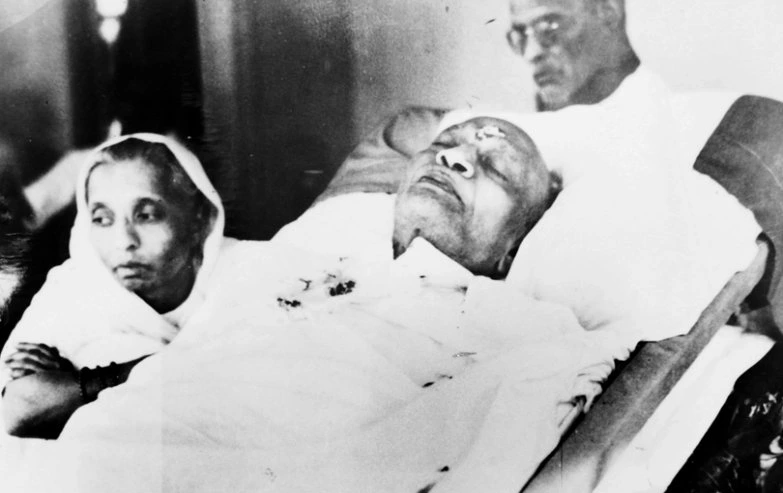
They say people realise the value of an individual only once he is gone. Jawaharlal Nehru, it seems, did not. Sardar Vallabhbhai Patel died in Bombay at 9:37 am on 15 December 1950. About an hour later, Nehru told Parliament that he and C Rajagopalachari would fly to Bombay to pay their respects, but that he had asked every other minister to stay at work, because Patel would not have wanted them to leave it. Accounts published since go further. According to one, the government car allotted to Patel was withdrawn, and Home Ministry officials who wished to attend were told to pay their own way. Patel had been their minister until 9:37 that morning.
Kanhaiyalal Maneklal Munshi, then Union Minister of Food and Agriculture, records in Pilgrimage to Freedom that Nehru also asked President Rajendra Prasad not to attend, though in Parliament Nehru said it was right that the President should go. Prasad went. So did NV Gadgil, Minister for Works, Production and Supply; the minister Satyanarayan Sinha; and VP Menon, Secretary of the States Ministry, who had worked beside Patel to bring the princely states into the Union. They chose the man over the instruction.
The two had always differed on method, but disagreement need not have hardened into something colder. In 1948, Patel wanted the Indian Army sent into Hyderabad, where the Nizam’s Razakars were terrorising the population; Nehru resisted. According to the memoir of the civil servant MKK Nair, Nehru called Patel “a total communalist” in a cabinet meeting over it. That account is disputed. What is not disputed is that Patel prevailed, and that Operation Polo ended the Nizam’s rule in five days.
The coldness outlived Patel, and the honours show it. Nehru was awarded the Bharat Ratna in 1955, while he was Prime Minister. Indira Gandhi received it in 1971, also while in office. Patel, who had died in 1950, received it only in 1991, 41 years after his death, in the same year it was given posthumously to Rajiv Gandhi. A party that had governed India for most of those four decades found time to honour itself first.
Hindol Sengupta argues in The Man Who Saved India that it was Patel’s practicality that turned India into a nation. Rajendra Prasad saw it earlier. In 1959 he wrote in his diary: “That there is today an India to think and talk about is very largely due to Sardar Patel’s statesmanship and firm administration. Yet we are apt to ignore him.”
The Statue of Unity now stands in Gujarat, the tallest in the world. It was unveiled in 2018, 68 years after Patel’s funeral, to which most of his own government had been told not to go.
Editor’s note: This article has been corrected. An earlier version wrongly described Sardar Patel as an OBC leader and omitted that Nehru himself attended Patel’s funeral. The Dossier regrets the errors.